
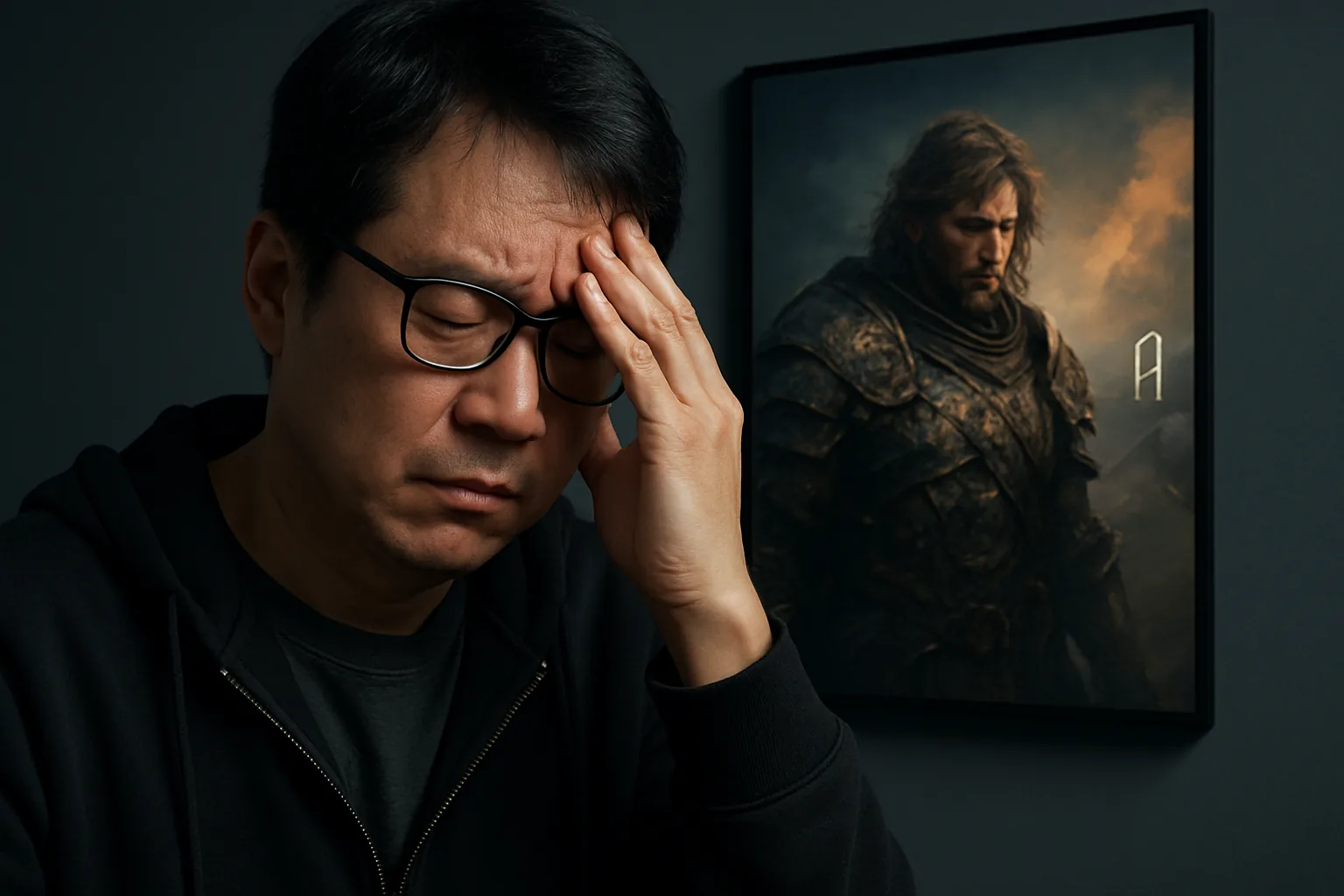
An apology for AI-generated art in a final game release matters because modern game development is not judged only by technical performance or gameplay systems. Players also care about authorship, craft, and whether the creative choices behind a game align with the studio's stated values. When a developer admits AI-generated art made it into a release unintentionally, the issue becomes more than a production error. It becomes a test of how seriously the studio treats artistic quality control and the trust of its audience.
That is why the story matters beyond one title. Generative tools are making it easier for questionable assets to enter pipelines, and each visible mistake helps define what players will expect studios to disclose, prevent, and apologize for.
Why visual assets carry unusual symbolic weight
Art in games is not only decorative. It shapes atmosphere, coherence, and the sense that a world was built with intention. When players discover that some part of that visual layer may have been generated carelessly or inserted without proper oversight, the reaction is often stronger than the technical significance alone would suggest. The concern is not simply about pixels. It is about whether the studio still appears committed to a coherent human creative process.
This is why the apology matters. It touches on artistic trust, which is harder to restore than a simple bug fix.
A useful way to frame it is this: players may forgive production mistakes, but they are less forgiving when a game's creative identity begins to look automated or thinly supervised.
Why AI use in games remains especially sensitive
Studios are under constant pressure to move faster and control costs. Generative tools can seem like an obvious way to accelerate concept work, filler assets, or background art. But games are collaborative cultural products whose audiences are highly sensitive to authenticity and labor issues. A tool that looks efficient internally can feel like a shortcut or betrayal externally if it touches the final experience in a visible way.
This is one reason the story matters. It highlights the gap between production convenience and player perception in an industry where communities care intensely about craft.
Why an apology alone is not the whole test
Public apologies matter, but they mainly buy time for the more important question: what changes next? Players will look for proof that the studio has improved review processes, clarified internal standards, or set firmer rules about where AI-generated assets can and cannot appear. Without that, the apology risks sounding like damage control rather than accountability.
That is why the story matters beyond one statement. It raises the broader challenge of whether studios can incorporate new tools without weakening the quality controls that make audiences trust the finished work.
In creative industries, governance around tools can matter nearly as much as the tools themselves.
What matters next
The key questions are whether the developer tightens art oversight, whether players accept the explanation as credible, and whether other studios become more cautious about undisclosed AI-assisted assets in final releases. Those outcomes will shape whether this remains a contained embarrassment or part of a wider industry correction.
That is why AI art apologies matter. They are one of the places where the game industry is publicly negotiating the boundary between efficient production and artistic legitimacy.
When a studio apologizes for AI art, it is really apologizing for allowing the audience to doubt how closely human intention still governs the work they are playing.