
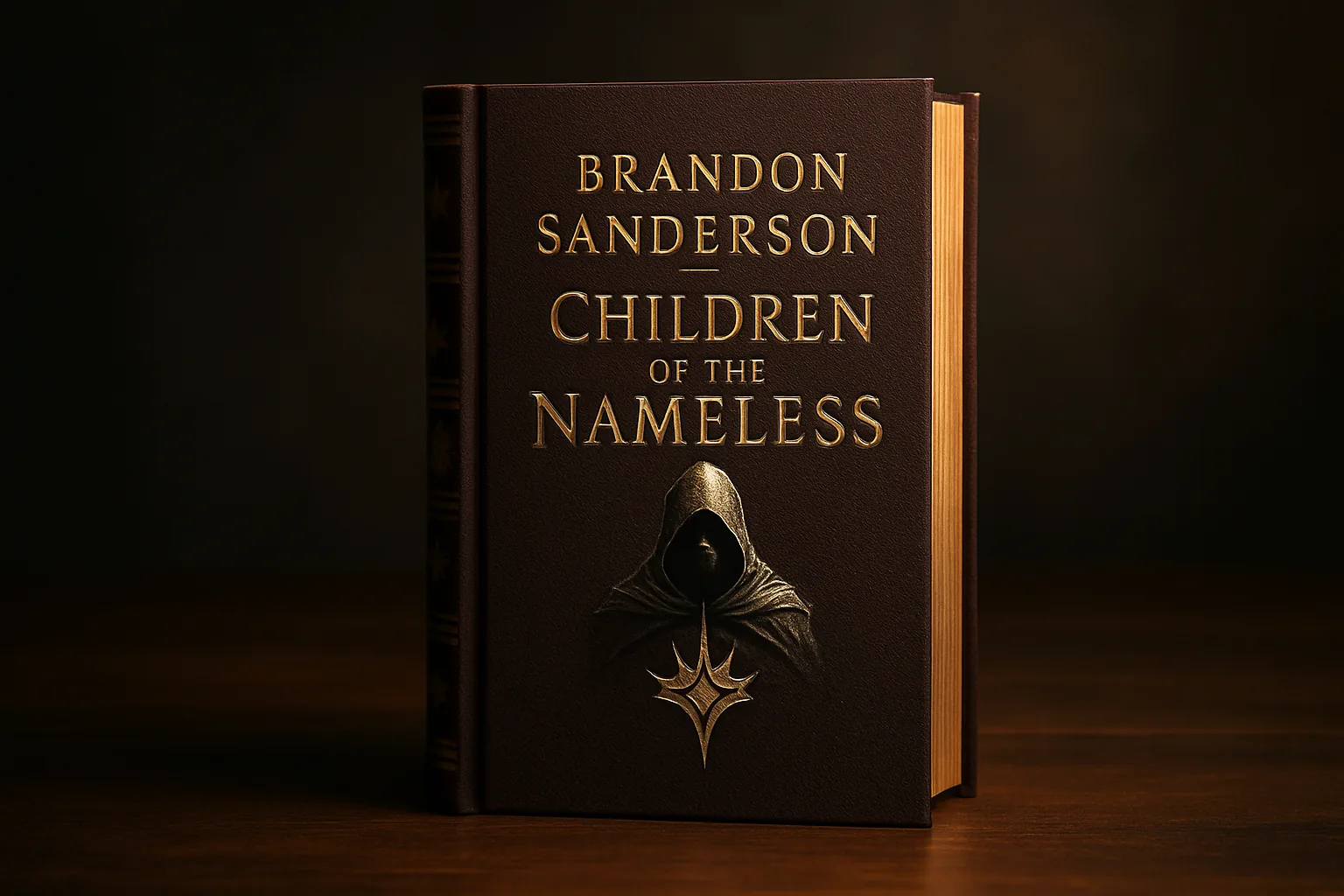
A deluxe print edition of Children of the Nameless matters because format changes meaning in fandom. A story that exists only as a digital file is available, but it is not necessarily collectible in the way readers and fans often want important works to be. Once a text moves into a designed physical edition, it becomes something that can be kept, displayed, gifted, and folded into a personal library as an object with presence.
That is especially relevant for Brandon Sanderson's audience and for Magic: The Gathering crossover culture. Both communities care not only about access, but about the status of a work inside a larger canon of things worth owning. A deluxe edition signals that the story is no longer just an online extra. It is being positioned as a lasting artifact.
Why physical editions still change perception
Digital availability can make a story easy to read, but it often leaves its cultural status strangely provisional. Physical editions create a different kind of legitimacy. They suggest editorial care, permanence, and a belief that the work deserves to occupy shelf space rather than remain a fleeting file link.
That matters because fans often treat physical format as part of a story's seriousness. A deluxe release, in particular, signals that the text is worth revisiting and preserving in a more ceremonial way than ordinary distribution allows.
Why Sanderson readers are especially responsive to this
Sanderson's readership is already inclined toward collection, re-reading, and universe-building. His fans do not usually experience stories as disposable one-time consumables. They track editions, presentation quality, and how individual works fit into the larger ecosystem of authorship and fandom. A deluxe treatment naturally speaks to those habits.
The Magic angle adds another layer. Stories tied to major game worlds often risk being treated as adjunct material rather than literary objects in their own right. Giving this novella a premium physical release pushes against that assumption. It suggests the story has value beyond simple franchise utility.
A useful way to frame it is this: a deluxe edition does not just preserve a text. It upgrades the terms on which fans are invited to remember it.
Why collectible publishing still matters in a digital era
The continued appeal of deluxe publishing shows that scarcity and tactility still matter even when the underlying text is already accessible. People are not only paying for words. They are paying for framing, material care, and the feeling that a favorite work has been given a form equal to its importance.
That is why these editions resonate. They turn reading into ownership and fandom into stewardship. For communities built on attachment and repeat engagement, that distinction remains powerful.
What the release signals now
The strongest implication of a premium print edition is that the story has lasting value in the eyes of both publisher and audience. It is no longer being treated as a temporary digital perk. It is being elevated into an object worthy of preservation and prestige.
That matters for readers who missed the story the first time, but it matters just as much for longtime fans who want the work to feel canonically substantial. In fandom, availability and significance are not always the same thing. Format often helps close that gap.
This is why the release matters beyond simple merch logic. It shows how a beloved crossover story can move from access to permanence, and from permanence to a stronger place in collective memory.