
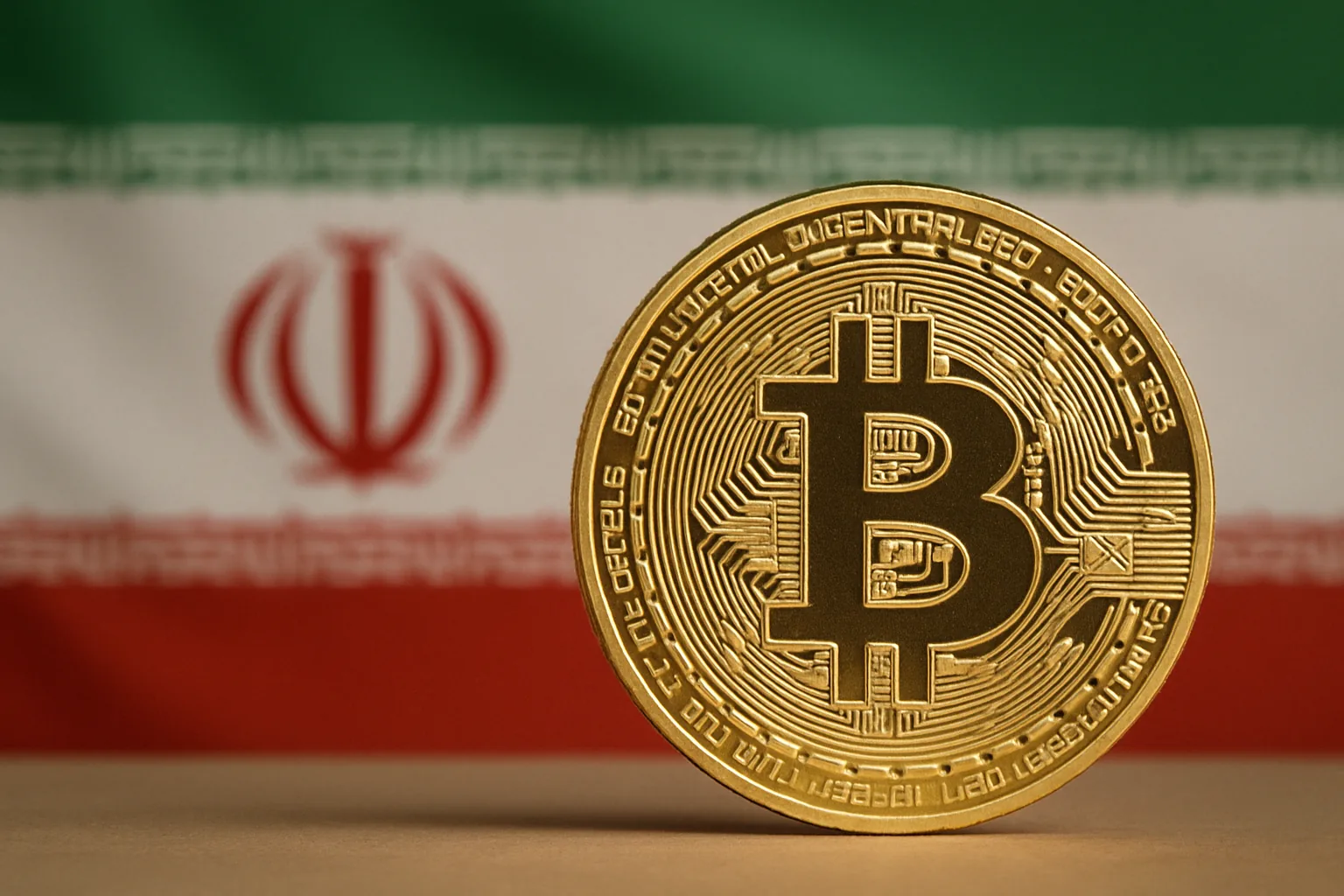
Bitcoin climbed back toward $69,000 to $70,000 on Monday, April 6, 2026, after reports suggested the US and Iran were discussing terms for a potential ceasefire. Ethereum and Solana also moved higher. The immediate explanation was straightforward: investors saw a chance that one of the market’s most sensitive geopolitical risks might cool, and they bought risk assets accordingly.
That reaction is worth paying attention to because it says something uncomfortable but useful about crypto in 2026. Bitcoin may still be sold as an independent alternative asset, but on days like this it trades very much like a macro instrument. When the threat level around oil, war, and global risk appetite eases, crypto can jump with everything else.
What drove the move
The reporting tied the rally to growing hopes of a Middle East ceasefire after Axios said US and Iranian mediators were discussing a possible 45-day pause. That followed renewed weekend threats from President Trump about reopening the Strait of Hormuz, a critical oil route. Markets appear to have read the pressure and the diplomacy together as a sign that negotiations were at least plausible.
Bitcoin rose roughly 3% to 4% on the day, reclaiming the upper end of a range it has mostly held for about five weeks. According to the source material, that range has been roughly $65,000 to $73,000. Ethereum advanced as well, and Solana also posted gains over the previous 24 hours.
Short covering seems to have amplified the move. That matters because it suggests the rally was not only fresh conviction buying. Some traders who had been positioned for weakness likely had to buy back into a rising market, which can make a fast move look stronger than the underlying news might justify on its own.
Why this matters beyond one day of price action
The interesting part is not simply that Bitcoin bounced. It is what kind of news made it bounce. A potential ceasefire between the US and Iran has nothing to do with Bitcoin’s code, block times, or halving schedule. It has everything to do with global risk sentiment.
That is the real signal here. Crypto remains highly sensitive to macro conditions, especially when geopolitical headlines affect expectations for oil, inflation, and investor appetite for volatile assets. If tensions appear to ease, traders are more willing to move back into speculative positions. If tensions worsen, the reverse can happen quickly.
For anyone still treating Bitcoin as though it trades in a separate lane from the rest of the market, Monday’s action was a reminder that the separation is incomplete. The asset may have its own demand drivers, but the daily tape is still heavily influenced by the same forces that move equities, commodities, and high-beta trades.
The structural support under the market
At the same time, the rally was not only about geopolitics. The source also points to steady spot demand. That is important because it helps explain why Bitcoin was able to rebound into the high $60,000s instead of simply staging a brief relief bounce and fading.
One data point stands out: spot bitcoin ETFs and digital-asset treasury companies now hold about 12% of total supply, up from 8.7% a year earlier, according to the cited analyst note. Whether or not that concentration keeps rising at the same pace, it suggests a market that has become structurally tighter than it was a year ago.
That does not mean the price can only go up. It does mean that when sentiment shifts positive, there is a larger base of longer-horizon ownership underneath the market than in earlier cycles. That can change how quickly selloffs are absorbed and how violently rebounds travel.
Strategy’s latest disclosure fits that picture. The company said it bought about $330 million of bitcoin between April 1 and April 5, reinforcing its position as the largest corporate holder of the asset. That purchase did not cause the ceasefire headline, obviously. But it did add to a backdrop in which available supply is steadily being pulled into entities that are not trading on every headline.
A simple example of how the market is behaving
Imagine a trader who came into the weekend expecting more geopolitical stress, firmer oil, and softer risk assets. That trader shorts Bitcoin near the middle of its recent range, assuming crypto will crack if the regional situation worsens.
Then ceasefire talks hit the tape. Equities firm up, the immediate fear trade softens, and Bitcoin starts climbing back toward $70,000. The trader covers to limit losses. Meanwhile, another buyer sees the same headline and decides that with ETF demand and corporate accumulation still in place, a return to the top of the range is the easier trade. The result is the kind of fast, headline-driven move the market saw on April 6.
That is a useful way to read this rally: not as proof that one diplomatic report changed crypto’s long-term value, but as evidence that macro news can still unlock price moves when the market is already sitting on a supportive ownership base.
What to watch next
The first thing to watch is whether the geopolitical story becomes concrete. A reported discussion is not a signed ceasefire. If negotiations stall or new escalation headlines emerge, the improvement in risk sentiment could reverse just as fast as it appeared.
The second is whether Bitcoin can hold above the reclaimed $69,000 to $70,000 area. The source frames the past several weeks as a broad trading band. Markets often look strong right up until they run back into the top of a range and meet sellers again. Holding the level would matter more than briefly tagging it.
The third is whether institutional accumulation continues to offset macro volatility. ETF flows, treasury-company purchases, and large corporate buyers do not erase headline risk, but they can change the market’s center of gravity. If that demand stays steady, geopolitical dips may keep finding buyers faster than they did in earlier periods.
The bigger takeaway
Monday’s rally did not settle the case for Bitcoin’s next major move. It did clarify the forces now shaping it. Crypto is being pulled by two realities at once: it still reacts sharply to global political risk, and it is increasingly supported by large holders that can absorb supply over time.
That combination is why a ceasefire rumor can push Bitcoin higher so quickly, and why the move does not look like a random spike. The market is no longer driven only by crypto-native enthusiasm, but it is not just another risk trade either. It sits in the middle, which is exactly why days like April 6 matter.