
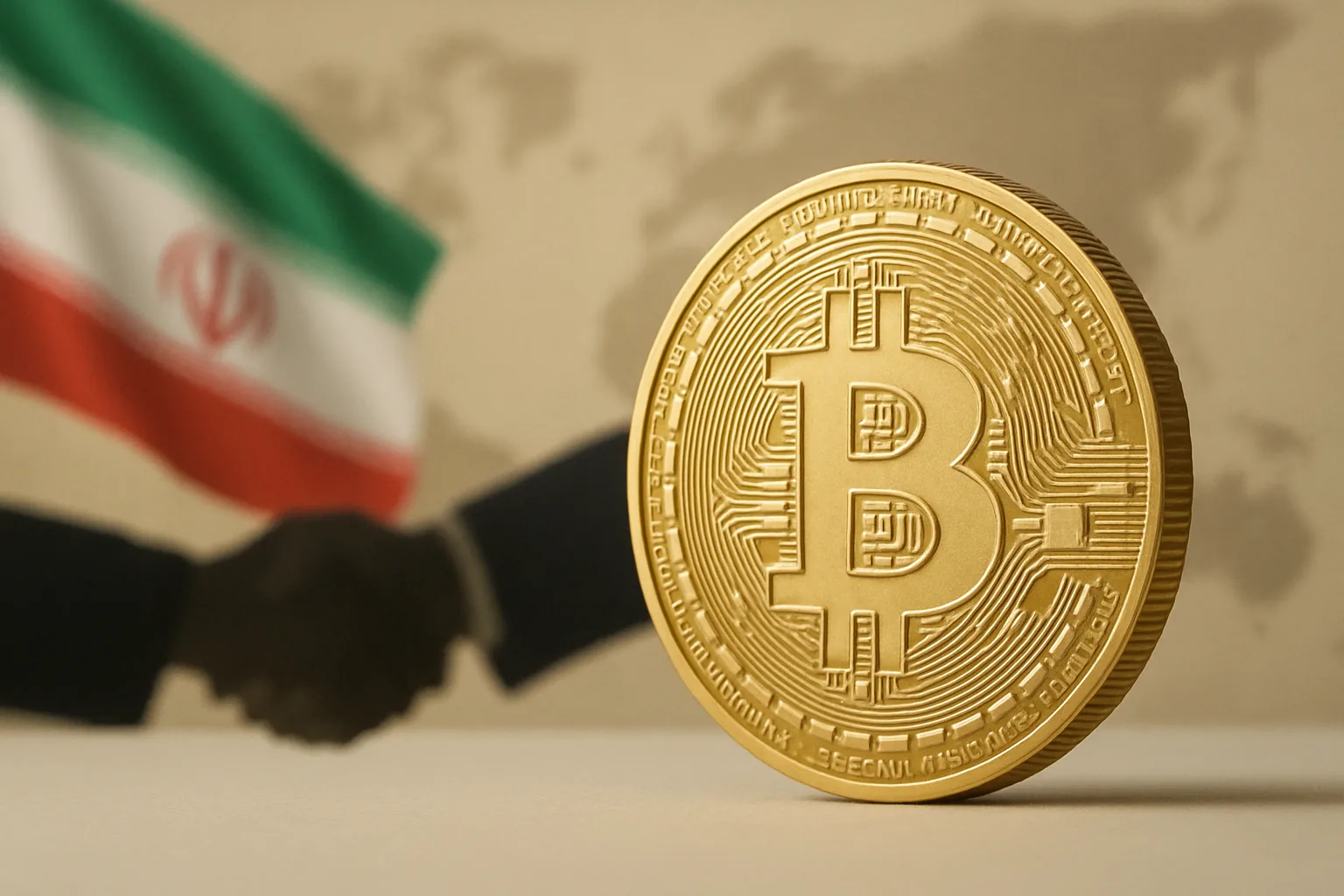
Bitcoin surged on April 8, 2026, climbing roughly 4% to 5% to around $72,700 after the U.S. and Iran agreed to a two-week ceasefire. That pushed the token to its highest level since March 18 and came alongside a broader risk-on shift across markets: ether also jumped, oil fell, and the dollar softened.
The immediate story is simple enough. A geopolitical shock that had been pushing investors toward defensive positioning suddenly eased. When that happens, assets that were hit during the fear phase often rebound fast. Bitcoin was one of them.
But the more useful way to read this move is not as a standalone crypto event. It was a reminder that Bitcoin is still trading like a macro-sensitive asset, especially during periods when geopolitical headlines are moving oil, currencies, and broader risk appetite at the same time.
What actually changed
The ceasefire did not solve the underlying conflict. It created a two-week pause. That distinction matters.
Markets were reacting to a reduction in immediate escalation risk, not to a durable political settlement. In practice, that was enough to reverse some of the defensive trading that had built up during the previous bout of volatility. As crude prices pulled back and the dollar weakened, investors had room to rotate back into higher-beta assets. Crypto benefited quickly.
Recent spot Bitcoin ETF inflows also helped. Those flows did not cause the headline move by themselves, but they appear to have given the market a more supportive backdrop than it had during earlier episodes of stress. When macro pressure eased, there was already a source of demand in place.
That combination matters. Bitcoin often looks strongest when a macro trigger improves sentiment at the same time that structural demand is quietly rebuilding underneath the market. A ceasefire headline can start the move. ETF buying can make it easier for the move to hold.
Why this matters beyond one day’s price action
Crypto narratives tend to flip between two extremes. In one version, Bitcoin is treated as a purely idiosyncratic asset driven by its own cycle. In the other, it is treated as just another momentum trade attached to rates, liquidity, and risk sentiment.
This episode argues for the second view, at least in the short run.
When geopolitical stress intensified in recent weeks, Bitcoin did not behave like a clean safe haven. It came under pressure as traders de-risked. When the pressure eased, it bounced like a risk asset. That is not a contradiction. It is how much of the market currently trades.
For operators, investors, and business owners trying to make sense of crypto headlines, that is the practical point. You do not need to believe every grand thesis about digital gold to see what is happening day to day. In the current market structure, Bitcoin is highly responsive to the same cross-asset forces that hit equities, oil, the dollar, and rates expectations.
A concrete example
Imagine a treasury manager or active trader who had spent the prior week reducing exposure because oil was rising and the Middle East situation looked unstable. If that person saw a ceasefire headline, falling crude, a softer dollar, and evidence that spot Bitcoin ETF money was still coming in, the decision changes quickly.
Instead of asking, “How much more downside do I need to hedge?” the question becomes, “How much rebound risk am I missing if I stay too defensive?”
That shift in positioning can accelerate very fast in crypto because leverage and sentiment both move quickly. A market that looked fragile a day earlier can suddenly look underexposed.
The sustainability question
The harder issue is whether the rally can last.
The source coverage points to macro conditions and derivatives positioning as the real test. That is the right frame. A sharp relief bounce is one thing. A durable continuation higher usually needs more than a single geopolitical pause.
If the ceasefire holds, oil remains contained, and the dollar stays softer, crypto has room to keep benefiting from a friendlier macro setup. Continued ETF inflows would strengthen that case. But if the truce breaks down or a new shock pushes investors back toward safety, the same market can reverse just as quickly.
Derivatives matter here because they amplify both directions. If traders had become too defensive into the selloff, a relief rally can force them to cover and add fuel to the upside. But if the market then gets overextended again without fresh support from flows or macro conditions, it becomes vulnerable to another sharp snapback.
That leaves Bitcoin in a familiar place: strong enough to rally hard on better news, but still dependent on external conditions that it does not control.
What to watch next
There are three things worth following after April 8.
- The ceasefire itself. A two-week pause can calm markets, but it is not the same as a durable de-escalation.
- Cross-asset confirmation. If oil keeps falling and the dollar remains soft, the broader risk-on signal stays intact.
- ETF and positioning data. If spot demand remains positive while derivatives stay balanced, Bitcoin has a better chance of holding gains rather than giving them back.
The important point is that this rally was not random. It came from a recognizable mix of macro relief and improving crypto-specific demand. That makes the move easier to understand, even if it does not make the next move easier to predict.
For now, April 8 looks less like the start of a brand-new crypto story than a sharp reminder of the one already in place: when geopolitical fear eases and money rotates back toward risk, Bitcoin is still near the front of the line.