
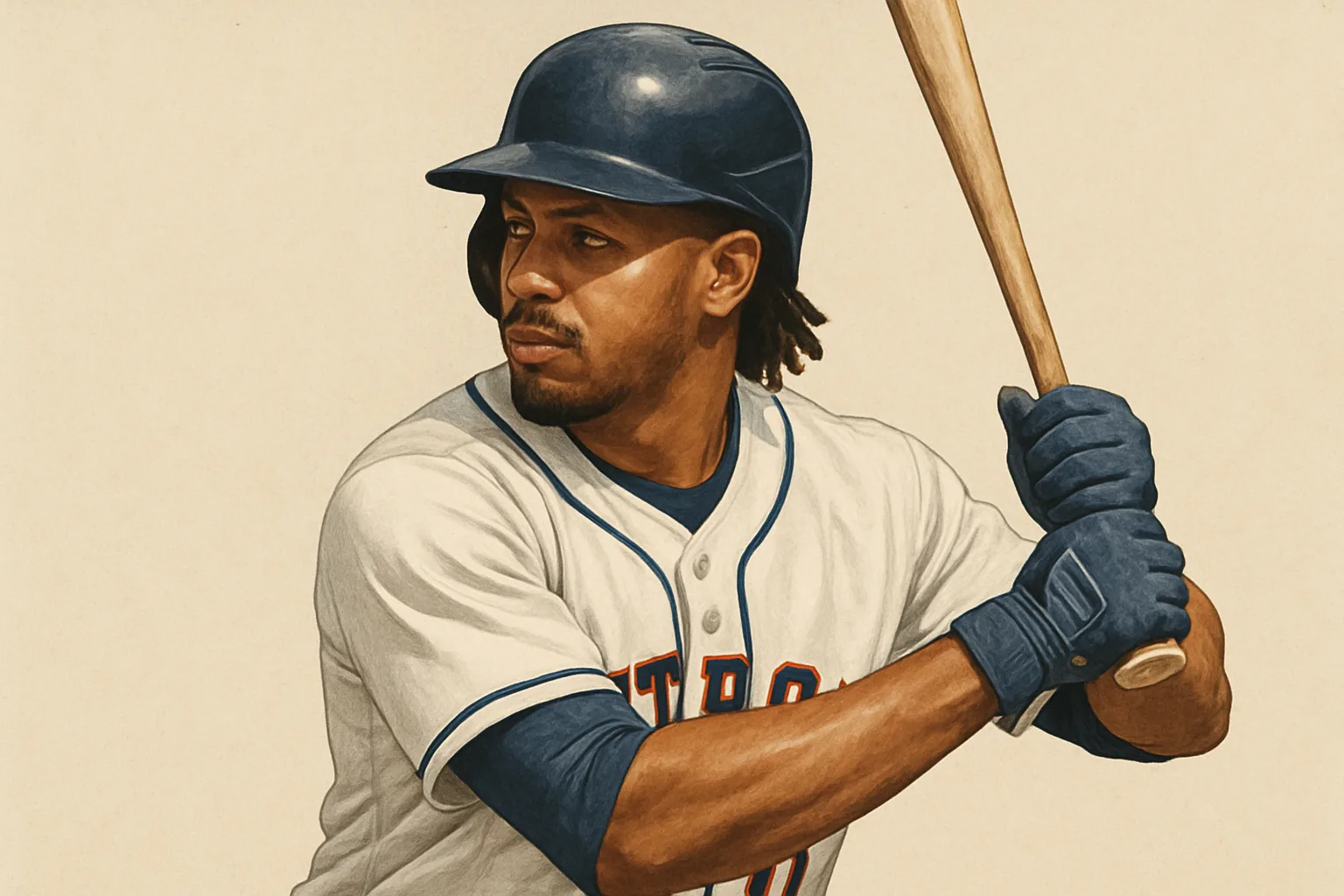
The Astros signed veteran left-handed hitter LaMonte Wade Jr. to a Major League deal on June 4, 2026, then immediately put him in left field as part of a wider roster shakeup aimed at a specific weakness: Houston’s outfield has not been giving the lineup enough disciplined at-bats.
The move, reported by MLB.com, came with several other changes. Catcher Collin Price was promoted from Triple-A Sugar Land for his MLB debut. Outfielder Zach Cole was optioned to Sugar Land. Catcher Cesar Salazar and outfielder Rhylan Thomas were designated for assignment. Joey Loperfido, another left-handed-hitting outfielder, was activated from the injured list but also sent to Sugar Land.
That is a lot of churn for one day, but the logic is fairly direct. Houston needed a different offensive look from its outfield and a fresh answer at backup catcher. Wade and Price give the Astros two new levers, one veteran and one debuting player, without changing the core of the roster.
Why Wade Makes Sense for Houston
Wade is not being asked to carry the Astros’ offense. He is being asked to make the lineup less brittle.
Entering the move, Houston’s outfielders had a .658 OPS, ranking 24th among MLB teams, according to MLB.com. Their 27.5 percent strikeout rate ranked 29th. That matters because the Astros’ offense is built around established hitters such as Yordan Alvarez, Christian Walker, Jose Altuve, Jeremy Pena and Isaac Paredes. When the outfield spots produce too many empty plate appearances, opponents can navigate the rest of the order with less pressure.
Wade’s appeal is the contrast. His career strikeout rate is 21 percent, and this season at Triple-A Charlotte he had more walks than strikeouts, 45 to 43. He also hit .250/.420/.441 with seven homers and 26 RBIs for Charlotte after signing with the White Sox out of Spring Training.
Those numbers explain the fit better than a simple “veteran bat” label. Wade gives Houston a left-handed hitter whose game is built around strike-zone judgment. Manager Joe Espada pointed to Wade’s corner-outfield ability, swing decisions, bench value against strong right-handed pitching, and capacity to cover first base behind Walker.
Wade’s Astros debut did not produce a quick payoff. He hit fifth, played left field and went 0-for-4 with two strikeouts in a 5-1 loss to the Pirates at Daikin Park. But one game is not the evaluation. Houston is betting on the plate-appearance profile.
The Practical Meaning of a Better At-Bat
Consider a seventh-inning matchup against a hard-throwing right-handed reliever. If Houston has a young outfielder due up with swing-and-miss concerns, the opposing pitcher can attack with velocity and expand the zone once ahead. Wade changes the choice available to Espada.
A walk, a six-pitch out, or a ball in play does not look dramatic in a box score, but it can move the inning toward Alvarez, Altuve or Paredes with runners on base or a tired pitcher on the mound. That is the value Houston is chasing: not star production, but fewer plate appearances that end before the offense can create stress.
This is especially relevant for a contender balancing athletic upside with immediate run production. Jake Meyers and Cam Smith bring real defensive value, and Smith is viewed as a high-end defender in right field. Cole and Brice Matthews offer athleticism and development upside. The issue is that a win-now roster can only absorb so many low-output, high-strikeout at-bats at once.
Price Adds Another Layer to the Shakeup
The promotion of Collin Price should not be treated as a throw-in. Price, a sixth-round pick in the 2022 MLB Draft out of Mercer, was hitting .235/.360/.476 with 10 homers and 26 RBIs at Sugar Land. He had a 1.035 OPS over his previous nine games, and since May 2 his seven homers were tied for the Pacific Coast League lead.
His first Major League plate appearance ended with a walk, an understated but fitting detail on a day when Houston was clearly valuing better offensive decisions. Espada also cited Price’s progress as a catcher, including improvements in receiving and throwing, while noting his power.
Backup catcher moves can look small because they rarely dominate the lineup card. But they influence how a manager uses the bench, how often the starter rests, and whether late-game pinch-hit choices are constrained. By moving on from Salazar and giving Price a look, Houston is testing whether it can get more from that roster spot without sacrificing the defensive demands of the position.
What This Says About the Astros
The Wade signing is a modest transaction with a clear message. Houston is not waiting for the outfield issue to fix itself. The club chose a 32-year-old with a track record of on-base skill over simply giving the next chance to Loperfido or continuing with the same young mix.
That does not mean Wade is a permanent answer. His own recent MLB track record is mixed. Last year, he posted a .524 OPS with two homers in 80 games between the Giants and Angels. For his career, he owns a .236/.341/.390 line with 55 homers and 185 RBIs across 560 games with the Twins, Giants and Angels.
But Houston does not need Wade to be a middle-order fixture. It needs him to be useful in the situations Espada described: left field against right-handed pitching, bench plate appearances, and occasional first-base coverage. If he gives the Astros professional at-bats while the younger outfielders reset or develop, the move can work even without a big headline number.
What to Watch Next
Wade’s usage will reveal how aggressively Houston views the fix. If he starts mostly against right-handers and appears in late-game matchup spots, the Astros are using him as a precision tool. If he becomes a near-everyday left fielder, that will say more about the urgency of the outfield production problem.
Cole’s work at Sugar Land also matters. The option gives him space to address swing-and-miss without forcing Houston to live through every adjustment at the Major League level.
Price is the other test. His bat has earned attention, but his staying power will depend on the full catcher job: receiving, throwing, pitcher trust and enough offensive value to justify the roster spot.
For now, the Astros have made a practical correction. Wade brings left-handed discipline to an outfield that needed it. Price brings a new catcher profile to a bench spot Houston was willing to revisit. Neither move guarantees a turnaround, but both point to the same priority: fewer wasted at-bats and more flexible choices around the core of the lineup.