
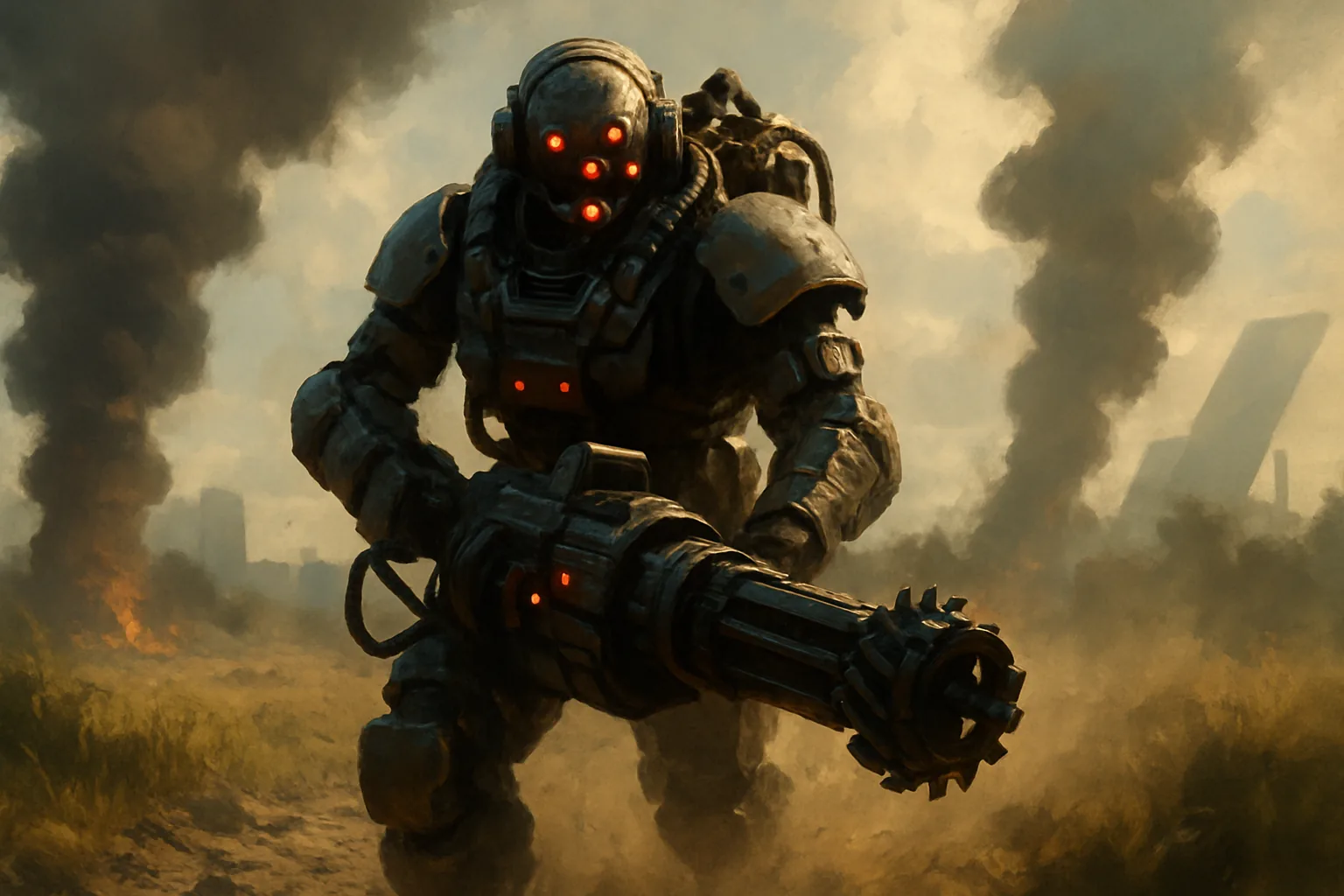
Major live-service updates matter most when they do more than add content. The real test is whether they alter the social contract between a game and its players. In Arc Raiders, the Flashpoint decision to bring Shredders to multiple maps signals that the developers are willing to make the world feel more dangerous and less stable, even if that means disrupting habits players had already begun to rely on.
That is why the update stands out. It is not only introducing more enemies. It is reshaping the rhythm of expectation. A player who previously understood where extreme pressure might appear now has to treat more of the game space as volatile, which changes both tactical planning and the emotional texture of each run.
Why map-wide threat expansion matters
Threat design in extraction and survival-driven shooters is never just about difficulty. It is also about how the game teaches players to assess space. Once a powerful enemy type can appear across multiple maps, routing, loadouts, and risk tolerance all shift. What looked like local knowledge can become outdated overnight.
This is where updates become meaningful. They force veteran players to relearn the environment while giving newer players a world that feels more alive and less solved. That can be invigorating if the challenge feels fair and readable.
Why players react strongly to changes in danger ecology
Communities in evolving games often accept new content more easily than new uncertainty. A weapon, mission, or cosmetic addition expands the game without necessarily threatening competence. A more aggressive enemy presence, by contrast, can make players feel that the rules of mastery have moved. That is exactly why such changes attract attention. They touch player identity as much as encounter design.
The developer gamble is clear: if the added pressure creates richer stories and sharper teamwork, the game feels more alive. If it feels arbitrary or overbearing, the same change can look like friction mistaken for depth.
A useful way to frame it is this: live-service updates succeed when they destabilize habit just enough to renew engagement without making hard-earned knowledge feel irrelevant.
Why this says something about the studio's intentions
By broadening the presence of Shredders, the studio appears to be signaling that Arc Raiders should remain tense and strategically demanding rather than settle into a predictable farming loop. That is a statement about philosophy as much as balance. It suggests the team wants the game's world to push back against player comfort instead of preserving efficiency indefinitely.
That kind of direction can strengthen a game's identity if the systems support it. Players often respond well when danger feels authored rather than random.
What to watch after launch
The important question is whether the update changes player behavior in productive ways. Do teams coordinate more carefully? Do loadout choices diversify? Does the added threat create memorable friction or repetitive frustration? Community response will likely hinge on those practical outcomes more than on the novelty of the announcement itself.
That is why this update matters. It is a live example of how developers try to keep a multiplayer world from becoming too legible for its own good.
When a game can reintroduce uncertainty without breaking trust, it tends to feel alive for longer.