
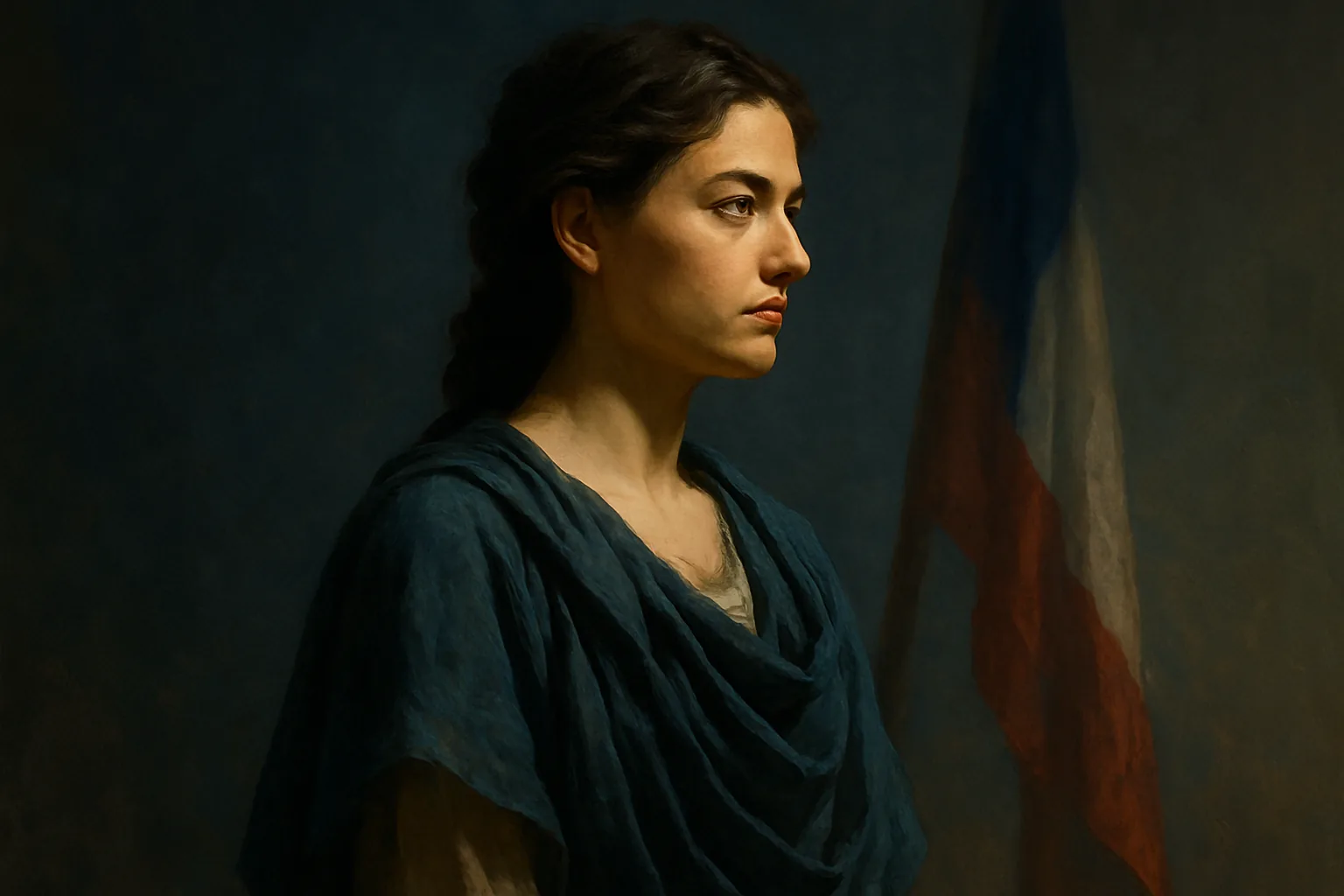
Antigone, the formidable figure from ancient Greek tragedy, continues to resonate across modern political and cultural landscapes. Known as the original "bad girl," her defiance of authoritarian rule and unwavering commitment to moral duty challenge the boundaries between personal ethics and the law. Sophocles first brought her story to life over two millennia ago, yet her tale remains a sharp, compelling framework to explore the complexities of democracy, justice, and civic responsibility.
Who Was Antigone?
Antigone is the daughter of Oedipus, the fallen king of Thebes, and the central character in Sophocles’ play "Antigone." Following a devastating civil war that claims her brothers’ lives, the new ruler publicly forbids the burial of one, branding him a traitor. In direct defiance, Antigone insists on performing the sacred funeral rites, placing divine law above human decree. Her courageous stand triggers tragedy but raises enduring questions about the limits of authority, the nature of ethical resistance, and the price of conscience.
The Contemporary Relevance of Antigone
Antigone’s story is far more than a tale of rebellion; it probes the delicate balance between individual conscience and state power. It challenges us to confront:
- When should moral conviction override legal mandates?
- What happens when governments suppress ethical dissent?
- How do women’s voices disrupt and redefine societal norms?
In today’s world of political unrest, protests, and social justice movements, Antigone’s moral conflict strikes a powerful chord.
Revitalizing Antigone Through Modern Adaptations
Theater and literature continue to reimagine Antigone, adapting her narrative to reflect contemporary struggles with authoritarianism, civil rights, and feminism. These modern retellings breathe new life into classical themes, demonstrating how ancient art remains a potent tool for examining and shaping democratic values.
Insights for Leaders and Storytellers
Antigone exemplifies the courage to uphold principles amid opposition, a compelling lesson for entrepreneurs and leaders in all fields. For marketers, her story offers a template for storytelling rooted in universal themes of justice and integrity, creating deep resonance with audiences.
Conclusion
More than a tragic heroine, Antigone embodies timeless debates about power, morality, and civic duty. Her persistent presence in theater and discourse underscores how ancient narratives continue to inform and inspire modern reflections on governance and individual rights. For those shaping social narratives or driving change, Antigone’s legacy stands as a beacon of bravery and thoughtful resistance.